jljl1 is a name many users search for before deciding whether to register, log in, or deposit money. This guide explains how to check an operator’s licensing, recognize common scam patterns, and set personal limits before any play. Because online gambling carries real financial risk, confirming a site’s legal status should come first. Work through each step, and proceed only if the checks confirm the operator is licensed in your jurisdiction. Gambling should be entertainment, never a way to earn income. You must be of legal age to gamble where you live.
What Is jljl1 and Who Operates It?
Verifying the Company Behind jljl1
Every online gambling site is run by a registered company. That company should be easy to identify. Look for the legal entity name, registration number, and registered address, usually listed in the site footer or terms page.
Check these details for any platform you research:
- Legal company name: A real business name, not just a brand or domain.
- Registration details: A company number you can match to a national or regional business registry.
- Physical address: A street address you can confirm on a map or in official records.
- Contact channels: A working email, phone line, or support form.
For example, if a site shows only a chat window and no company name, treat that as a warning sign. Compare any listed entity with official registries in the country it claims to operate from.
What Searchers Often Ask About jljl1
People searching for jljl1 usually want fast answers. Common questions include who runs jljl1, whether it is legitimate, and whether it is safe to use. Some users also ask whether jljl1 connects to other gambling sites.
Search results often mix official pages, forum posts, and affiliate reviews. As a result, a single search result rarely gives a complete picture. Cross-check claims across several independent sources before you trust them.
Why Clear Business Details Build Trust
Transparent business information matters for three reasons. First, it makes accountability possible. If a dispute arises, you need a named company to contact or report. Second, it allows regulators and consumer agencies to trace responsibility. In addition, it shows the operator is willing to be open about who it is.
However, a detailed footer alone does not prove legitimacy. Scammers sometimes copy real company names and addresses. Therefore, verify any listed licence number directly on the regulator’s official website, not through a link on the platform itself.
Practical tips:
- Search the company name in the regulator’s public database.
- Confirm that the domain matches the one named in the terms.
- Note any mismatch between the operator named and the brand displayed.
- Save screenshots of operator details in case you need to report a problem later.
Note: I couldn’t verify jljl1’s specific operator, registration, or licence details, so this section avoids naming them. Add the verified company information for jljl1 before publishing, and check the regulator’s register yourself.
Is Gambling on a Site Like jljl1 Licensed and Legal Where You Live?
Before you deposit money, confirm that the operator holds a valid licence. A licence shows that an independent regulator has reviewed the company’s ownership, games, and payment practices. However, a licence alone does not make gambling legal for everyone. Legality depends on where you live.
Reading jljl1 Licence Numbers and Regulator Names
Legitimate operators display their licence details, usually in the footer or on an “About” page. Look for three items:
- The full regulator name, such as the UK Gambling Commission or the Malta Gaming Authority
- A licence or certificate number that you can search for
- The licensed company name, which should match the legal entity in the terms and conditions
For example, a footer that says “licensed and regulated” without naming a regulator is a red flag. Vague wording often hides an offshore permit that offers little consumer protection. Therefore, copy the licence number exactly and save a record of it.
Jurisdiction Rules and Minimum Age Requirements
Gambling law is set by national, state, or provincial governments. Some countries ban online casinos entirely. Others allow only licensed domestic operators. A licence from one jurisdiction does not automatically permit residents of another country to play.
Minimum age rules also vary. Most regions require players to be 18 or 21. Check these points before you register:
- Read the “restricted territories” or “eligible countries” list.
- Confirm the minimum age stated for your region.
- Search your government’s gambling authority website for local rules.
- Leave the site if it accepts players from your country but cannot name any recognised local licence.
Verifying jljl1 Status on Official Regulator Registers
Operator claims are not proof on their own. Instead, search the regulator’s public register directly. Enter the company name or licence number into the regulator’s own search tool, not a link supplied by the operator. Official registers usually show the licence status, holder name, and any conditions.
As a result, you can spot mismatches quickly. Common problems include:
- A licence number that returns no results
- A company name that differs from the one on the site
- A licence marked as suspended, expired, or revoked
If the register does not list the operator, treat the licence claim as unverified. In addition, avoid depositing funds until the gap is resolved. Regulators often publish warning lists of unlicensed brands, so check those too.
Tip: Take dated screenshots of register results. Licence statuses can change, and a record helps if you later need to file a complaint.
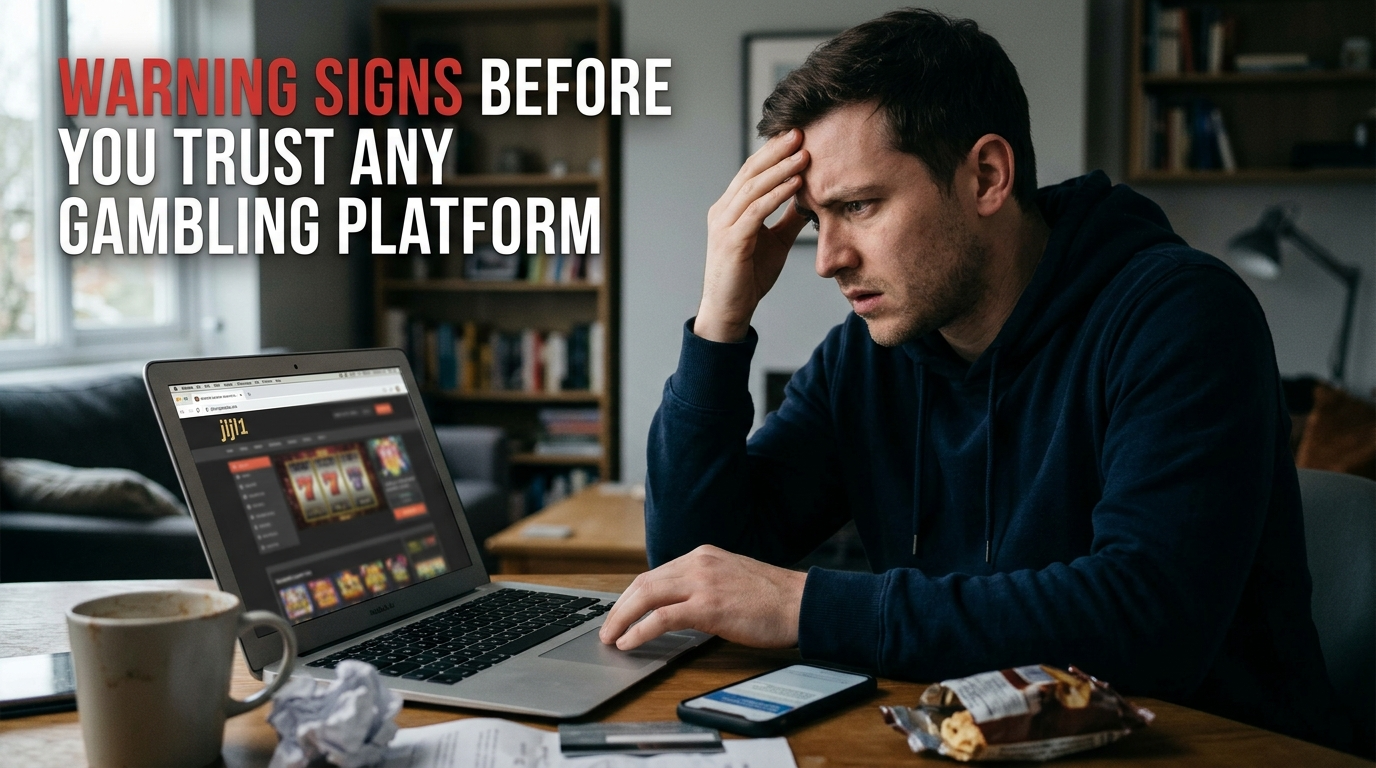
Warning Signs Before You Trust Any Gambling Platform
Spotting danger early protects your money and personal data. Before you review any platform such as jljl1, learn the common warning patterns below.
Unrealistic Bonus Promises and Pressure Tactics
Generous bonuses can look appealing. However, extreme offers often hide unfair conditions. Watch for these common examples:
- Guaranteed wins or “risk-free” profits on every game.
- Huge bonuses with no clear conditions, such as a 300% match with no wagering details.
- Countdown timers that force you to deposit within minutes.
- Repeated pop-ups urging you to “claim now” or “don’t miss out.”
Pressure is often the clearest warning sign. Legitimate operators let you read the terms at your own pace. Therefore, if you feel rushed, pause and step away.
Red Flags on Shop and VIP Pages
Shop and VIP sections are designed to encourage spending. For example, they may:
- Sell boosts or credits with unclear prices or currencies.
- Require large deposits to reach a VIP tier without listing real benefits.
- Promise personal account managers in exchange for payments.
- Request payments through unusual methods, such as gift cards or private transfers.
As a result, you may spend far more than you planned. In addition, a simple rule helps. Never buy anything you have not clearly priced and reviewed.
Missing Terms, Privacy Policies, or Contact Details
Transparency is a basic sign of a trustworthy platform. Check that these essentials are easy to find:
- Terms and conditions explaining bonuses, withdrawals, and wagering rules.
- A privacy policy showing how your personal data is stored and shared.
- Company details, including a registered business name and address.
- Working support channels, such as live chat or a monitored email address.
Missing pages are a major concern. For instance, a site that hides its withdrawal rules may delay or refuse payouts later. Moreover, test support before depositing by sending a simple question. Slow or vague answers are a red flag.
Quick Safety Checklist
- Verify the licence against the regulator’s public register.
- Read withdrawal and bonus terms before claiming any offer.
- Never share passwords or ID documents outside official, secure forms.
- Set a deposit limit before your first session.
How to Safely Handle jljl1 Login and Download Requests
Confirming You Are on the Official jljl1 Login Page
Fake login pages copy the design of real gambling platforms almost exactly. They usually rely on a web address that looks similar but differs in small ways, such as an extra word, a changed ending, or a misspelled brand name. Check the address carefully before you enter any details.
Follow these steps before you log in:
- Type the address yourself or use a bookmark you saved from a trusted source.
- Check the spelling letter by letter. Attackers often swap characters or add hyphens.
- Look for HTTPS and a padlock icon. These show an encrypted connection, but they do not prove a site is legitimate.
- Avoid login links in unsolicited emails, texts, or social media messages.
For example, a message promising a “VIP login reward” that sends you to a slightly different address is a clear warning sign. Therefore, close the page and visit the platform through a known route instead.
Avoiding Fake jljl1 Download Files and Unofficial Apps
Downloads are a common way for malware to reach your device. Criminals disguise harmful files as installers, mobile packages, or urgent “updates.” Android users face extra risk because installing files from outside official app stores requires lowering device security settings.
Take these precautions before installing anything:
- Download only from the official website or a recognised app store.
- Be cautious of pop-ups demanding a “required player” or browser update.
- Scan files with reputable security software before opening them.
- Never disable security warnings just to finish an installation.
In addition, review the permissions an app requests. A gambling app that asks for access to your contacts, messages, or photos has no clear need for that data. Delete it immediately if this happens.
Protecting Your Account Credentials and Payment Details
Create a unique password that you do not use on email or banking accounts. A password manager can generate and store strong combinations for you. If the platform offers two-factor authentication, enable it, because a second verification step blocks many break-in attempts.
Never share your login details with anyone. Legitimate operators will not ask for your full password or one-time codes through chat or phone calls, even if the caller claims to be support staff.
Payment security needs equal attention. Moreover, you should:
- Review bank statements regularly for unfamiliar charges.
- Use payment methods that allow you to block or monitor gambling transactions.
- Avoid saving card details on shared or public devices.
As a result, you lower the chance of losing money to fraud. If you suspect a breach, change your password immediately, contact your bank, and keep records of any suspicious activity.
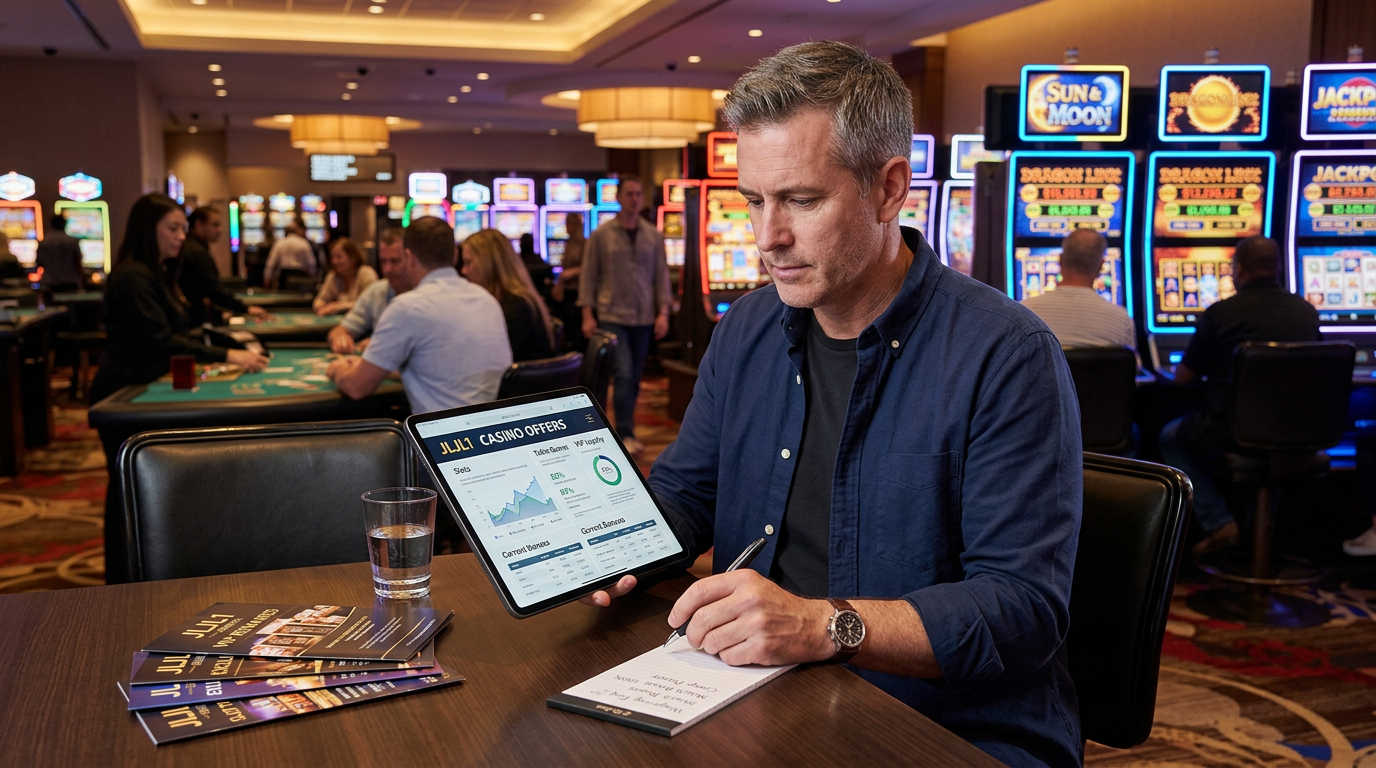
Understanding Slot, Casino, and VIP Offers Objectively
Promotional offers can look generous at first glance. However, their real value depends on the fine print. Reading the terms carefully helps you judge any offer objectively.
Bonus Terms, Wagering Requirements, and Maximum Bets
A bonus is only useful if you can withdraw what you win. Wagering requirements show how many times you must bet the bonus before cashing out.
For example, a 100 bonus with a 30x wagering requirement means you must wager 3,000 first. Winnings from that bonus may also be capped.
Check these details before accepting any offer:
- Wagering multiplier: Higher numbers make withdrawals harder.
- Maximum bet limit: Many offers restrict bets to a set amount while bonus funds are active.
- Game weighting: Slots may count 100% toward wagering, while table games may count only 10%.
- Expiry date: Unused bonus funds often disappear after a few days.
Breaking a maximum bet rule can void your winnings. Therefore, read every limit before you start playing.
VIP Programs and Hidden Conditions
VIP programs promise exclusive rewards, faster withdrawals, and personal account managers. However, these perks usually depend on heavy spending. Tier levels tend to rise with turnover, not luck.
Consider a loyalty scheme that grants VIP status after 5,000 in total bets. The reward might be a small cashback rate. As a result, a player may still lose more than the cashback returns.
Watch for conditions such as:
- Tier points that reset every month
- Cashback calculated only on net losses
- Lower withdrawal limits for VIP members
- The right to change or cancel rewards at any time
Return-to-Player Rates and the House Edge
Return-to-player (RTP) shows the long-run percentage of wagers a game pays back. An RTP of 96% means the game returns about 96 for every 100 wagered over a very large number of spins. It does not guarantee results in any single session.
The house edge is the opposite. It is the built-in advantage kept by the operator. A 4% house edge means the operator expects to keep about 4 for every 100 wagered over time.
Keep these points in mind:
- RTP is a statistical average, not a promise.
- Short sessions can vary widely in either direction.
- High-volatility slots pay bigger wins, but less often.
- Some table games, such as certain blackjack variants, may offer a lower house edge than roulette.
Practical Habits for Reviewing Any jljl1 Offer
Use these steps whenever you evaluate a promotion:
- Calculate the total wagering required before you claim a bonus.
- Compare RTP values for the games you plan to play.
- Set a fixed budget and stop when it runs out.
- Walk away if the terms are unclear or hard to find.
Responsible Gambling Tools and Where to Get Help
Set Deposit Limits and Cool-Off Periods
Most licensed platforms offer tools that help you control your spending. Set these limits before you play, not after a loss.
- Deposit limits: Cap how much you can add daily, weekly, or monthly. For example, you might set a limit of $50 per week.
- Session time limits: Receive a reminder or automatic logout after a set number of hours.
- Cool-off periods: Pause your account for 24 hours, 7 days, or longer. Use this after a difficult session.
Lowering a limit usually takes effect immediately. Raising one often requires a waiting period. This delay protects you from impulsive decisions.
Self-Exclusion Options Across Platforms
Self-exclusion blocks your access for a fixed term, such as six months, one year, or permanently. Most operators cannot reverse it early.
When reviewing a platform, check whether it:
- Offers self-exclusion directly in account settings
- Connects to a national self-exclusion register, if your region has one
- Blocks related brands under the same operator
- Confirms the exclusion in writing
Tip: Save the confirmation email. Ask the operator to confirm that the exclusion covers all linked sites. Many players also install software filters on their devices and ask their bank to flag gambling transactions.
Independent Support Services and Helplines
Independent organizations provide free and confidential help. They do not work for gambling operators, so their advice stays objective.
- Your national gambling regulator: Often publishes a list of approved support services.
- Gamblers Anonymous: Offers peer support groups in many cities.
- GamCare and BeGambleAware: UK-based services providing information, counseling, and self-assessment tools.
- Local mental health services: Can help with stress, debt, or anxiety linked to gambling.
Warning signs that you need support include chasing losses, borrowing money, hiding your activity, and neglecting work or family. If you notice these signs, act quickly. Talk to someone you trust, and separate your entertainment budget from essential expenses. As a result, gambling carries far less financial risk.
Before you deposit anywhere, review the responsible gaming settings on any platform you consider. Review the safety settings here and confirm your limits are in place before you play.
Thank you for reading our guide about jljl1.
Frequently Asked Questions
Who operates jljl1, and how can I verify the company behind it?
Every legitimate online gambling site is run by a registered company that should be easy to identify. Look for the legal entity name, registration number, and registered address, usually in the site footer or terms page. Then search the company name and number in the official business registry of the country it claims to operate from. A brand name, chat window, or domain alone is not enough. Also confirm that the company named in the terms matches the brand you see on the site. If any detail is missing or does not match, treat that as a warning sign and avoid depositing money until you have resolved the discrepancy.
Is jljl1 licensed, and is gambling on it legal where I live?
Start by checking for a named regulator, such as the UK Gambling Commission or the Malta Gaming Authority, along with a licence number. Search that number directly on the regulator’s official website rather than through a link on the platform itself. A vague claim like “licensed and regulated” without a named authority is a red flag. Even a valid licence does not make gambling legal for everyone. Some countries ban online casinos or allow only domestic operators, and a licence from one jurisdiction does not automatically cover residents of another. Check your government’s gambling authority website before you register.
What are the common warning signs of a scam gambling site?
Be cautious if a site hides its company details, uses a domain that does not match its terms, or pressures you to deposit quickly with limited-time bonuses. Other warning signs include withdrawal delays, unclear wagering rules, requests for unnecessary personal documents, and support that only responds through informal chat. Scammers sometimes copy real company names and addresses, so a detailed footer does not prove legitimacy by itself. Save screenshots of the operator details, terms, and any messages you receive. If you spot several of these signs, stop depositing and report the site to your local consumer protection agency or gambling regulator.
How can I set safe limits and get help if gambling becomes a problem?
Set a fixed budget and time limit before you play, and treat any money you spend as the cost of entertainment, not income. Use the deposit, session, and loss limit tools that licensed operators are generally required to offer, and never chase losses with larger bets. You can also use self-exclusion options through the operator or your national regulator. If gambling is causing financial stress, relationship problems, or feelings of being out of control, contact a support service in your country, such as a national helpline or a local problem gambling organisation. Remember that you must be of legal age to gamble where you live.