First, this guide explains what jljl apps are, and jljl apps have drawn growing search interest from users who want to know what these applications do and where to get them safely. This guide explains what jljl apps are, how to download them, and how to install them on Android and Windows devices. Because reliable information about this term is limited, every step is built around verifiable practices: confirming the publisher, checking system requirements, and using trusted download sources. Finally, readers will finish with a clear, safety-first path to getting started.
jljl apps Explained: What They Are and Who Uses Them

These applications are built to handle specific everyday tasks. Furthermore, they run on both phones and computers, so you can use them wherever you are. Therefore, knowing what they do helps you decide whether they suit your needs.
Core Purpose and Key Features of jljl apps
The main goal is simple. Thus, these apps help users finish tasks faster with less effort. Their design, however, favors ease of use over complicated settings.
Common features include:
- Quick setup: Most users can start within minutes.
- Clean interface: Key tools sit in organized menus.
- Regular updates: Developers release fixes and improvements over time.
- Cross-device support: Many versions work on both mobile and desktop systems.
In addition, the apps often save your preferences. For example, your settings can follow you from one device to another.
Typical User Scenarios
Different people use these tools for different reasons. Here, for instance, are a few common examples:
- Students use them to organize study schedules and track assignments.
- Small business owners use them to manage daily tasks without hiring extra staff.
- Home users install them to keep reminders and personal notes in one place.
As a result, these tools appeal to both casual users and professionals. Moreover, a freelancer might use the desktop version for detailed work and the mobile version for quick updates on the go.
Tip: First, before you install anything, list the one or two tasks you need solved. Thus, this prevents you from downloading features you will never use.
Platform Availability on Android and Windows
These applications are generally designed for two major environments. Each platform, however, has its own requirements and installation process.
- Android: Installed on phones and tablets, usually through an official app store.
- Windows: Installed on desktops and laptops, typically through an official installer file.
However, features may differ between versions. A mobile version might offer fewer options than its desktop counterpart. Therefore, compare the feature lists for each platform before you commit.
Best practice: Sign in with the same account on every device when possible. Thus, this keeps your data synced and your settings consistent.
Checking Credibility Before You Download
Before you install jljl apps, confirm that the software is genuine. Attackers often copy popular names to spread malware. Thus, a few minutes of checking can protect your device and personal data.
Verify the Official Publisher
Start by identifying who built the app. However, the developer name should match across the official website, the store listing, and the installer.
- Consistent naming: The publisher should appear the same everywhere.
- Contact details: Legitimate developers list a support email, business address, or privacy policy.
- A verified website: Type the web address yourself instead of clicking ads or sponsored search results.
For example, if the store page lists one company but the installer shows a different name, stop and investigate. Moreover, mismatched details are a common sign of impersonation.
Review Permissions, Ratings, and Feedback
Permissions show what an app can access on your device. A simple utility rarely needs your contacts, microphone, or text messages. Therefore, compare each requested permission with the app’s stated purpose.
Additionally, user feedback adds useful context. Consider these points:
- Check the overall rating and review count. A perfect score from only a few reviews means little.
- Read recent reviews first. Older comments may describe outdated versions.
- Look for repeated complaints. Watch for reports about unexpected charges, intrusive pop-ups, or crashes.
- Be wary of generic praise. Many five-star reviews posted within a short period can signal manipulation.
Therefore, combine permission checks with reviews rather than relying on either one alone.
Spot Red Flags on Unofficial Download Sites
Additionally, certain warning signs suggest a download site is unsafe:
- Alarming pop-ups claiming your device is infected and urging an immediate download.
- Mismatched file types, such as an unfamiliar format instead of the expected installer.
- Missing legal pages, including no privacy policy, terms of use, or contact information.
- Promises of free premium features or “unlocked” versions of paid software.
- Requests to disable security software before installation.
As a result, leave any site that pressures you to act quickly. However, legitimate publishers do not need urgent tactics to earn your trust.
Best practice: Download only from the official website or a recognized app store, and keep your security software active during installation.
System Requirements for Android and Windows
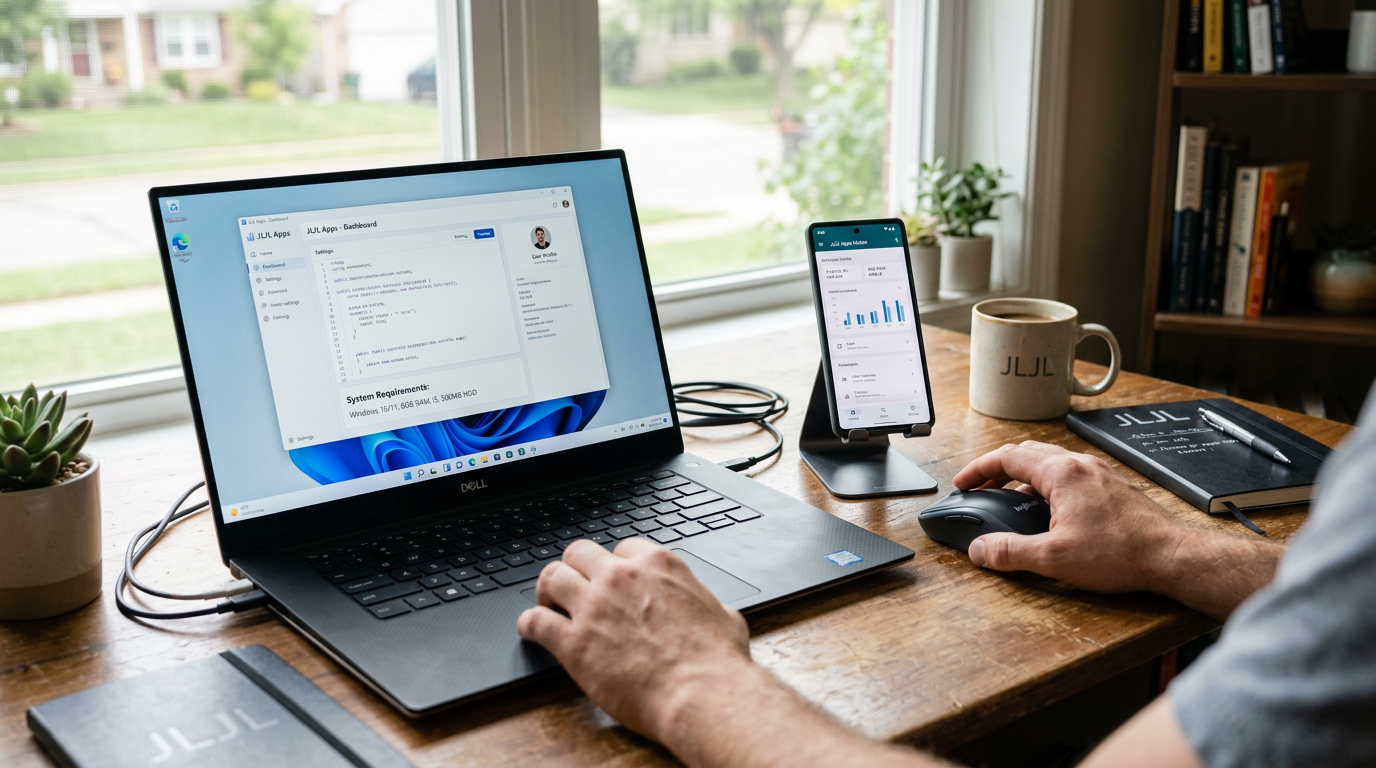
Before you install jljl apps, confirm that your device meets the basic requirements. A compatible device prevents crashes, slow performance, and failed installations. However, specifications can change between versions, so always check the official listing first.
Minimum Operating System Versions for jljl apps
Your operating system is the first thing to verify. Moreover, older versions may lack the security updates and system features the app needs.
- Android: Many current apps require Android 8.0 (Oreo) or newer. Check this under Settings > About phone > Android version.
- Windows: Windows 10 (version 1809 or later) or Windows 11 is typically required. Press Windows + R, type
winver, and press Enter to see your version.
For example, a phone stuck on Android 7 may not show the app in the store at all. Therefore, update your system before you begin.
Storage, Memory, and Processor Considerations
Hardware limits, however, matter just as much as software versions. Use the following figures as a general benchmark:
- Storage: Keep at least 500 MB of free space. Installation files and cache data grow over time.
- Memory (RAM): Aim for at least 2 GB on Windows and 3 GB on Android for smooth multitasking.
- Processor: A dual-core chip running at 1.5 GHz or faster is usually sufficient.
However, a device that barely meets these numbers may feel sluggish. In addition, installing on a nearly full drive can fail because setup needs temporary space. As a result, free up space before starting the process.
Browser and Driver Requirements to Check First
Some installation steps depend on supporting software. Therefore, verify these components before you download anything.
On Windows:
- Use an up-to-date browser, such as Microsoft Edge, Chrome, or Firefox.
- Install the latest graphics driver from your GPU manufacturer’s website.
- Confirm DirectX 11 support by running
dxdiagfrom the Run dialog.
On Android:
- Keep Google Play services updated through the Play Store.
- Update Android System WebView, since many apps use it to display content.
- Ensure your browser is current if you download an APK file from a trusted source.
Consequently, outdated drivers and components often cause errors. For instance, a graphics driver that is two years old may trigger display glitches.
Quick Pre-Installation Checklist
Work through these steps before you download:
- Confirm your operating system meets the minimum version.
- Check available storage and memory.
- Update your browser, drivers, or system components.
- Restart your device to clear temporary memory.
Best practice: Compare your device specifications with the requirements on the official download page. Instead, avoid relying solely on third-party summaries, which may be outdated.
jljl apps Download Steps for Windows
First, downloading the installer safely is the first step on Windows. A careful setup helps you avoid malware and corrupted files. Therefore, follow these steps in order.
Downloading jljl apps From Official Sources
Always start at the developer’s official website. Avoid download aggregators, torrent sites, and pop-up ads that promise faster access. Moreover, these sources often bundle unwanted software with the installer.
- Type the web address manually, or open a bookmark you trust.
- Look for a clearly labeled “Download for Windows” button.
- Confirm the file ends in .exe or .msi.
- Save the file to your Downloads folder.
Tip: Compare the file size with the size listed on the download page. Thus, a large mismatch can signal a tampered file.
Running the Installer and Choosing Setup Options
Double-click the downloaded file to launch the setup wizard. Additionally, Windows may ask whether to allow the app to make changes to your device. Click Yes only if the publisher name matches the developer you expect.
Most setup wizards include these options:
- Install location: The default path works for most users. Choose another drive only if your system drive has little free space.
- Desktop shortcut: Enable it for quick access, or disable it to keep your desktop clean.
- Additional offers: Uncheck any toolbars, browser extensions, or extra software you did not request.
- Launch after install: Keep this checked if you want to test the app right away.
For example, a checkbox that says “Install recommended browser” should stay unchecked unless you want that browser. Read each screen before clicking Next. In addition, choosing a Custom installation, when offered, gives you the most control.
Troubleshooting Blocked or Failed Installations
Installations sometimes fail or get blocked by Windows security tools. Try these fixes in order:
- SmartScreen warning: Click More info, then Run anyway, but only if the file came from the official site.
- Insufficient disk space: Free up the storage listed in the system requirements.
- Antivirus interference: Temporarily pause real-time protection, finish the install, then turn it back on. Alternatively, add the installer to your antivirus exceptions.
- Corrupted download: Delete the file and download it again.
- Permission errors: Right-click the installer and select Run as administrator.
- Outdated Windows version: Open Settings > Windows Update and install pending updates.
If the problem continues, restart your PC and try again. A clean restart often clears temporary file locks. Therefore, rebooting should be your next step before contacting support. Finally, if an error code appears that you cannot resolve, reach out to the official support team with the exact message.
Installing jljl apps for Android Safely
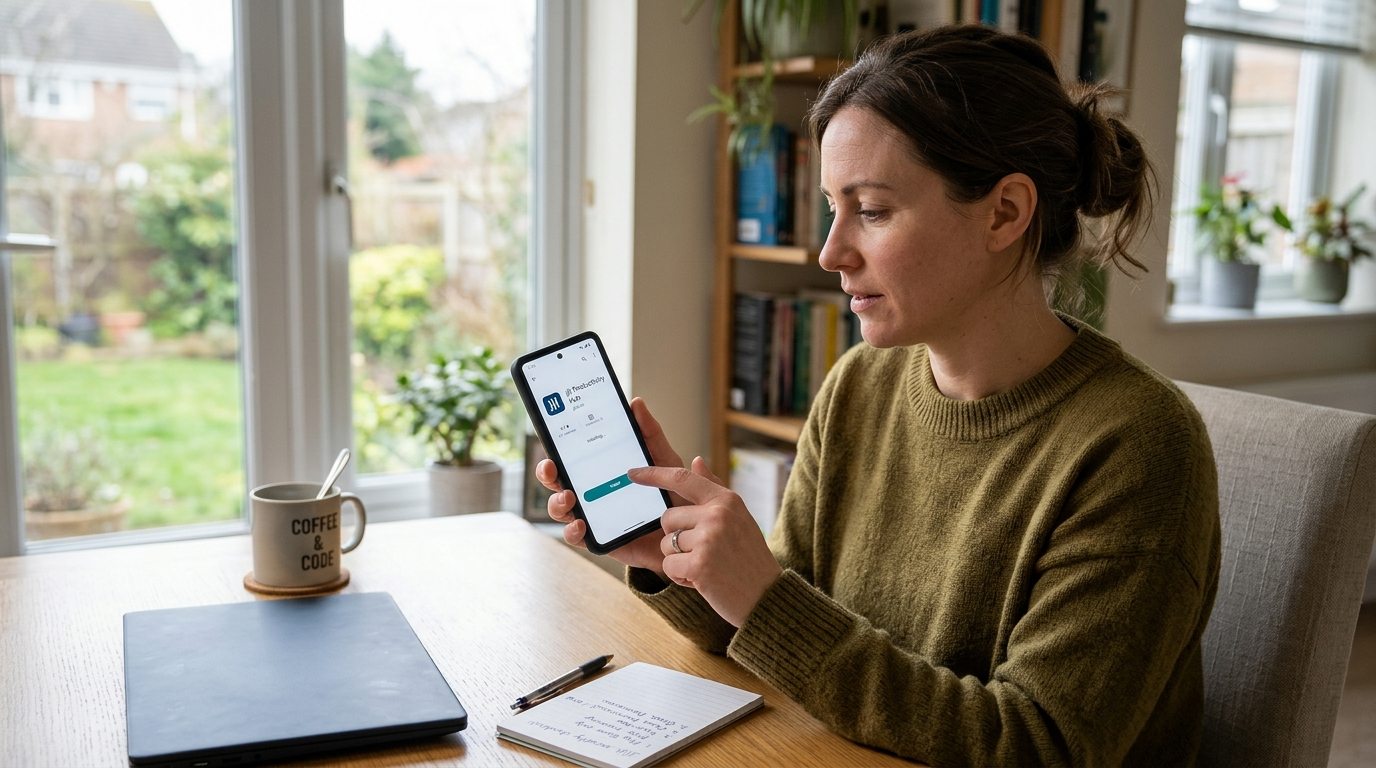
Installing apps on Android takes only a few minutes. Moreover, taking the right steps keeps your device and personal data safe. Therefore, follow these guidelines to protect your phone from malware and unwanted access.
Downloading jljl apps Through Trusted App Stores
The safest way to get any Android app is through an official store. Google Play, for instance, is the default choice for most users. Follow these steps:
- Open the Google Play Store on your device.
- Search for the app by its exact name.
- Check the developer name listed under the title.
- Review the rating, number of downloads, and recent user comments.
- Tap Install and wait for the download to finish.
Tip: Be cautious of lookalike listings. Scammers often copy app names with small spelling changes. Therefore, always confirm the developer name matches the official source.
Enabling Unknown Sources Only When Necessary
Android blocks apps from outside official stores by default. This protection exists for good reason. Moreover, installing files from unknown websites can expose your device to harmful software.
Enable this option only when an app is not available in a trusted store. For example, you might need a file directly from a developer’s official website. Follow these steps:
- Open Settings and select Apps or Security.
- Choose Install unknown apps or Special app access.
- Select the browser or file manager you plan to use.
- Turn on Allow from this source.
Important: Turn this setting off immediately after installation. Furthermore, leaving it enabled gives every app on your device a path to install other software without your knowledge.
Configuring Settings and Permissions After Installation
Once installed, review what the app can access. Many apps request more permissions than they need. Therefore, you should adjust them manually.
First, open Settings, then Apps, and select the app. Review these areas:
- Permissions: Deny access to contacts, microphone, or location if the app does not need them.
- Background activity: Restrict this if the app runs without a clear purpose.
- Battery usage: Check whether the app drains power unusually fast.
- Auto-update: Keep this enabled so you receive security fixes.
Additionally, keep Google Play Protect turned on. It scans apps for threats and warns you about suspicious behavior. However, menu names may vary slightly depending on your device manufacturer and Android version.
Updating, Managing, and Uninstalling Your Apps
Checking for jljl apps Updates and Enabling Automatic Updates
Keeping your app current protects your device. Updates fix security gaps, repair bugs, and improve performance. Moreover, checking regularly takes only a few minutes.
On Windows:
- Open the app and go to its Settings or About menu.
- Select Check for updates.
- Install any new version that appears.
On Android:
- Open the Google Play Store if you installed the app from there.
- Tap your profile icon, then select Manage apps & device.
- Tap Updates available and choose the app.
Automatic updates save time. In the Play Store, open the app’s page, tap the three-dot menu, and enable Enable auto update. However, apps installed from outside the store often lack this option, so check their official source every month.
Managing Storage and Background Activity
Apps can take up space and run hidden processes. Therefore, review these settings from time to time.
On Android:
- Go to Settings > Apps > [app name] > Storage.
- Tap Clear cache to remove temporary files. This keeps your account data intact.
- Under Battery, choose Restricted if the app drains power in the background.
On Windows:
- Go to Settings > Apps > Installed apps.
- Click the three dots beside the app and select Advanced options.
- Set Background apps permissions to Never if you do not need background activity.
Tip: Check storage usage monthly. Furthermore, large caches often build up without notice.
Completely Removing the App and Leftover Data
Uninstalling an app does not always delete everything. However, settings, cache files, and downloaded installers can remain. For example, a leftover installer in your Downloads folder can still take up gigabytes.
Removing the App on Windows
- Go to Settings > Apps > Installed apps, select the app, and click Uninstall.
- Press Windows + R, type
%AppData%, and press Enter. - Delete any folder named after the app.
- Repeat step 2 using
%LocalAppData%. - Empty the Recycle Bin.
Removing the App on Android
- Clear the app’s data first under Settings > Apps > [app name] > Storage > Clear storage.
- Tap Uninstall.
- Open your Files app and delete the original APK file from the Downloads folder.
Consequently, your device stores no leftover files from the app. Finally, restart your device afterward to clear any remaining background processes.
jljl apps FAQs: Common Questions Answered
Are jljl apps Free to Download?
Most versions are free to download. However, free does not always mean no cost at all. Additionally, some versions offer optional paid features or subscriptions.
Before you install, check for:
- Price labels in the store listing or on the download page
- In-app purchases, which are usually listed under the app details
- Payment requests that appear before the installer starts
For example, if a page asks for a credit card to unlock a “free” installer, leave the page. Legitimate free software, however, rarely requires payment details upfront.
Is It Safe to Install on My Device?
Safety depends mostly on where you get the file. Official app stores and verified developer websites are the safest sources. Moreover, reviewing permissions helps you spot suspicious behavior.
Follow these steps to reduce risk:
- Download only from the official source.
- Read the permission list before confirming the install.
- Keep your built-in security tool active, such as Play Protect on Android or Microsoft Defender on Windows.
- Scan the installer file with an antivirus tool if you are unsure.
Warning sign: A simple utility app that requests access to your contacts, messages, or camera without a clear reason may be unsafe. Therefore, uninstall it right away.
What to Do If the App Won’t Open or Update
Start with simple fixes. Many problems disappear after a restart. Consequently, always try this step first.
Work through these solutions in order:
- Restart your device and try again.
- Check your internet connection. A weak signal can block updates.
- Confirm system requirements. An outdated operating system may cause crashes.
- Free up storage space. Aim for at least a few gigabytes of free space.
- Clear the cache on Android through Settings, then Apps, then the app name.
- Reinstall the app from the official source if the error continues.
On Windows, try running the app as an administrator. You can also check for pending Windows updates, since they often fix compatibility issues. As a result, most common problems get resolved within minutes.
If the issue persists, contact the developer’s support team. Include your device model, operating system version, and the exact error message. Moreover, clear details help support staff respond faster.
Ready to get started with a trusted option? Get started today and explore a secure setup that suits your device.
Thank you for reading our guide about jljl apps.
Frequently Asked Questions
What are jljl apps and what do they do?
jljl apps are software applications designed to help users complete everyday tasks more quickly and with less effort. They are built around ease of use, so most people can start within minutes without complicated setup. Common uses include organizing study schedules, managing small business tasks, and keeping reminders and personal notes in one place. Many versions work on both phones and computers, and they often save your preferences so your settings follow you from one device to another. Before installing, decide which one or two tasks you need solved, so you only download the features you will actually use.
How can I tell if a jljl app is safe to download?
Start by confirming the publisher. The developer name should match across the official website, the store listing, and the installer, and legitimate developers usually provide a support email, business address, or privacy policy. Type the web address yourself rather than clicking ads or sponsored search results, because attackers often copy popular names to spread malware. Next, review the permissions the app requests and compare them with its stated purpose. A simple utility rarely needs access to your contacts, microphone, or messages. Finally, read recent user reviews and look for repeated complaints about unexpected charges, pop-ups, or crashes.
How do I install jljl apps on Android and Windows?
On Android, install jljl apps through an official app store, then check the publisher name and permissions before tapping install. On Windows, download the installer only from the official website, confirm the publisher name in the file properties, and check that your system meets the stated requirements. Run the installer and follow the on-screen steps, reading each option carefully so you do not accept unwanted extras. Mobile versions may offer fewer features than desktop versions, so compare feature lists before committing. Signing in with the same account on every device keeps your data synced and your settings consistent.
How do I update, manage, or uninstall jljl apps?
Keep your jljl apps current by enabling automatic updates in the app store or by checking for updates within the desktop app. Developers release fixes and improvements over time, and updates often address security issues, so installing them promptly is important. To manage apps, review your installed list periodically and remove any you no longer use. On Android, uninstall from the app drawer or Settings, and on Windows, use Settings or the Control Panel to remove the program. Before uninstalling, export or back up any data you want to keep, since some apps store information only on the device.